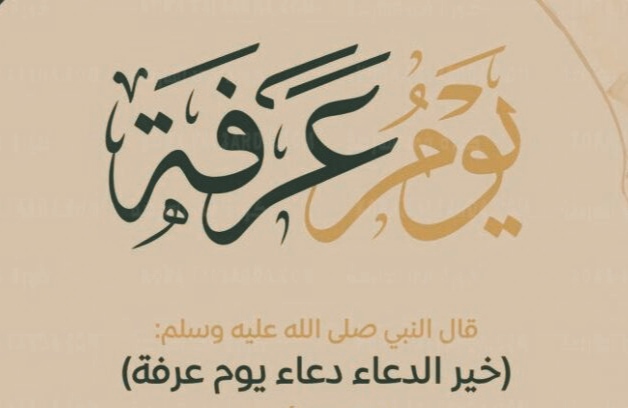
Day of ʿArafah
The Day of ʿArafah is the 9th day of the month of Dhū al-Ḥijjah and, within the Islamic tradition—especially in Shiʿi sources—is regarded as one of the greatest spiritual opportunities of the year. This day is not limited merely to the rite of “standing at ʿArafāt” (wuqūf at ʿArafāt) during the pilgrimage; rather, it is presented as a day of repentance, supplication, maʿrifah (gnostic knowledge), self-recognition, and nearness to God.
During the Ḥajj pilgrimage, the pilgrims remain in the plain of ʿArafāt, near Mecca, from noon until sunset. This “wuqūf at ʿArafāt” constitutes one of the principal pillars (arkān) of Ḥajj. However, the narrations emphasize that the spiritual gates of the Day of ʿArafah are opened not only for the pilgrims, but for all believers.
Imam Muḥammad al-Bāqir is reported to have said: “On the Day of ʿArafah, God’s mercy descends upon the earth, and on this day God shows the greatest generosity in forgiving people.”
In another narration, Imam Jaʿfar al-Ṣādiq states: “Whoever is not forgiven during Ramaḍān still has an opportunity until the Day of ʿArafah.”
Such narrations have led to the Day of ʿArafah being regarded in Islam as the “second great gate of divine forgiveness.”