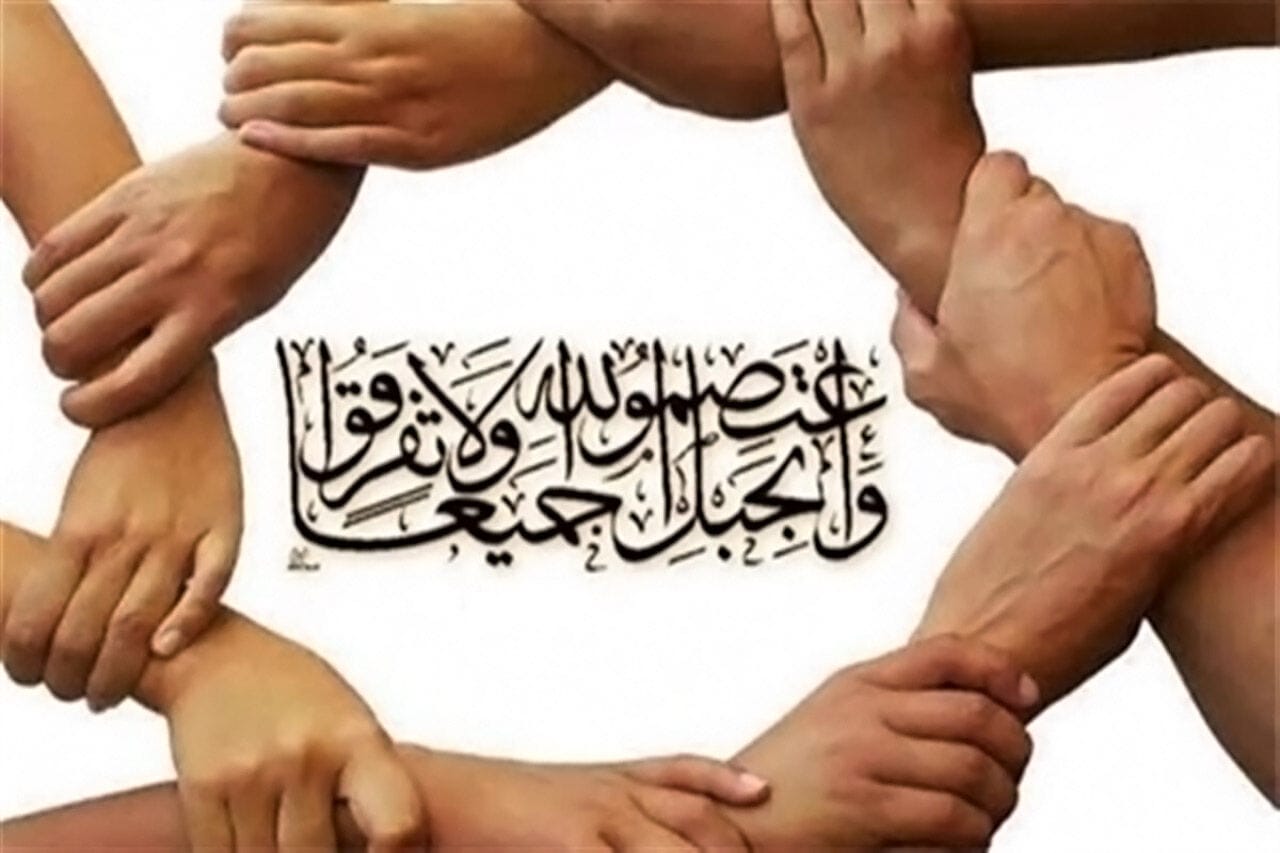
The Week of Muslim Unity
The days from the 12th to the 17th of Rabiʿ al-Awwal in the Hijri lunar calendar are observed in the Islamic world as the “Week of Unity.” These days are dedicated to bringing closer the historical traditions concerning the date of the birth of the Prophet Muhammad, which differ among various Islamic schools of thought (madhhabs), as well as to strengthening unity, brotherhood, and mutual respect among Muslims.
In Sunni sources, the date of the Prophet Muhammad’s birth is generally given as the 12th of Rabiʿ al-Awwal, whereas Shiʿi sources traditionally identify it as the 17th of Rabiʿ al-Awwal. This difference in the reported dates became the basis for dedicating the days between them to the idea of Islamic unity.
The idea of the Week of Unity gained widespread recognition beginning in 1981, on the initiative of Ayatollah Ruhollah Khomeini. In 2026, the 12th of Rabiʿ al-Awwal falls on August 25, while the 17th of Rabiʿ al-Awwal falls on August 30.
The fundamental purpose of the Week of Unity is not to deny the scholarly and jurisprudential differences that exist among the various Islamic schools of thought, but rather to prevent such differences from turning into confrontation and hostility, and to strengthen Muslim solidarity around shared religious values.
The fundamental principles of Islamic faith, the Holy Qur’an, the Prophet Muhammad, and the universal moral values of Islam constitute some of the most important common foundations that unite Muslims.
The Holy Qur’an states: “And hold firmly, all together, to the rope of Allah and do not be divided.” (Surah Āl ʿImrān, 3:103)
From this perspective, the Week of Unity is not merely a set of designated days on the calendar; it is an important opportunity to reaffirm the necessity of Muslim unity on the basis of mutual respect, brotherhood, solidarity, and the common interests of the Islamic world.
The Week of Unity is a call to preserve brotherhood despite differences and to uphold the unity of the Islamic ummah while embracing its diversity.