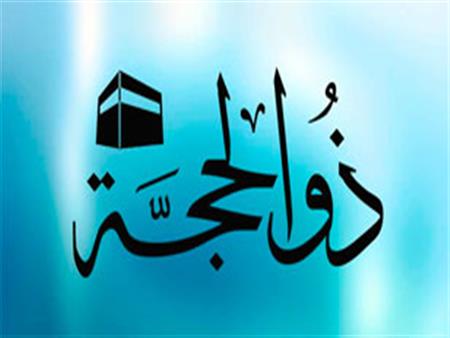
The Pilgrimage of Hajj and the Significance of the Month of Dhul-Hijjah
In the Islamic calendar, the month of Dhul-Hijjah holds a distinct religious and spiritual significance. It is during this period that the pilgrimage of Hajj—one of the most exalted acts of worship in Islam—is performed. Hajj constitutes one of the foundational pillars of Islam and is prescribed for every Muslim who possesses the financial means and physical ability to undertake it at least once in a lifetime.
Beginning with the first day of Dhul-Hijjah, Muslims from across the globe set out for the sacred city of Mecca, preparing to fulfill the rites of Hajj. This journey represents not only an act of devotion but also one of the most significant annual gatherings of the Muslim ummah. The principal rites of Hajj are carried out between the 8th and 13th days of the month. Throughout these days, pilgrims assemble in Mecca and its surrounding sacred sites, performing the prescribed rituals in a sequential and structured manner.
The ninth day of Dhul-Hijjah is known in the Islamic world as the Day of Arafah. It is regarded as the central and most pivotal stage of Hajj, during which pilgrims gather on the plain of Arafat, devoting themselves to prayer and acts of worship. According to Islamic sources, supplications offered on this day possess a uniquely elevated degree of acceptance.
On the tenth day of the month, the festival of Eid al-Adha (Kurban Bayram) is observed. This festival constitutes an integral component of Hajj, yet it is also widely celebrated by Muslims throughout the world. Eid al-Adha symbolizes devotion and submission to the Almighty and serves to reinforce social solidarity and mutual assistance.
Overall, the month of Dhul-Hijjah is regarded as a period of exceptional importance for Muslims—not only in relation to the performance of Hajj, but also as a time for spiritual purification, intensification of religious practice, and the strengthening of communal unity.