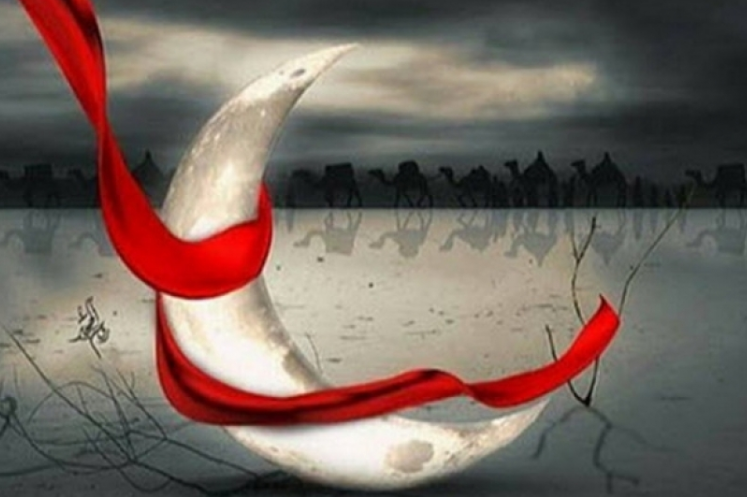
Month of Mourning — Muharram
Muharram, the first month of the Islamic lunar calendar, occupies a unique place in the spiritual and historical consciousness of the Muslim world. It is a period deeply associated with some of the most significant events in Islamic history and is observed through remembrance, mourning, and reflection on enduring moral values. This year, the month of Muharram begins on June 16.
The most significant day of Muharram is the tenth day of the month, known as Ashura. On this day, Muslims commemorate the tragedy of Karbala, which took place in 680 CE. It was in Karbala that the grandson of the Prophet Muhammad, Imam Husayn ibn Ali, together with members of his family and his loyal companions, was martyred. This event holds profound significance in Islamic history and is widely regarded as an enduring symbol of justice, steadfastness in the face of oppression, and unwavering commitment to truth and moral principles.
Ashura is observed with particular reverence by Muslims devoted to the tradition of the Ahl al-Bayt—the Family of the Prophet. Across different parts of the world, the day is marked by mourning ceremonies, religious gatherings, commemorative processions, as well as charitable and social initiatives that embody the values of compassion, solidarity, and social responsibility.
The tragedy of Karbala is considered one of the defining turning points in Islamic history. Occurring during the era of the Umayyad Caliphate, it brought to the forefront the tension between political authority and religious-moral legitimacy. Imam Husayn’s refusal to compromise his principles and his willingness to sacrifice his life for justice and truth left an indelible mark on Islamic thought, inspiring generations with ideals of dignity, righteousness, and resistance to tyranny.
In the contemporary world, the observance of Muharram extends far beyond the remembrance of a historical event. It carries a profound ethical and social message, reminding humanity of the necessity to uphold justice, reject oppression, preserve human dignity, and maintain spiritual integrity. These values constitute the central ethos of Muharram and continue to resonate with millions of people across diverse societies and cultures.
In many Muslim countries, Muharram commemorations are organized at the state level, while in others they are conducted by religious communities, cultural centers, and places of worship. This enduring tradition demonstrates that the memory of Karbala remains an integral part of both the religious and cultural identity of the Muslim world, while its moral legacy continues to transcend time and geography.